Speculative installation
Memory
Ruins
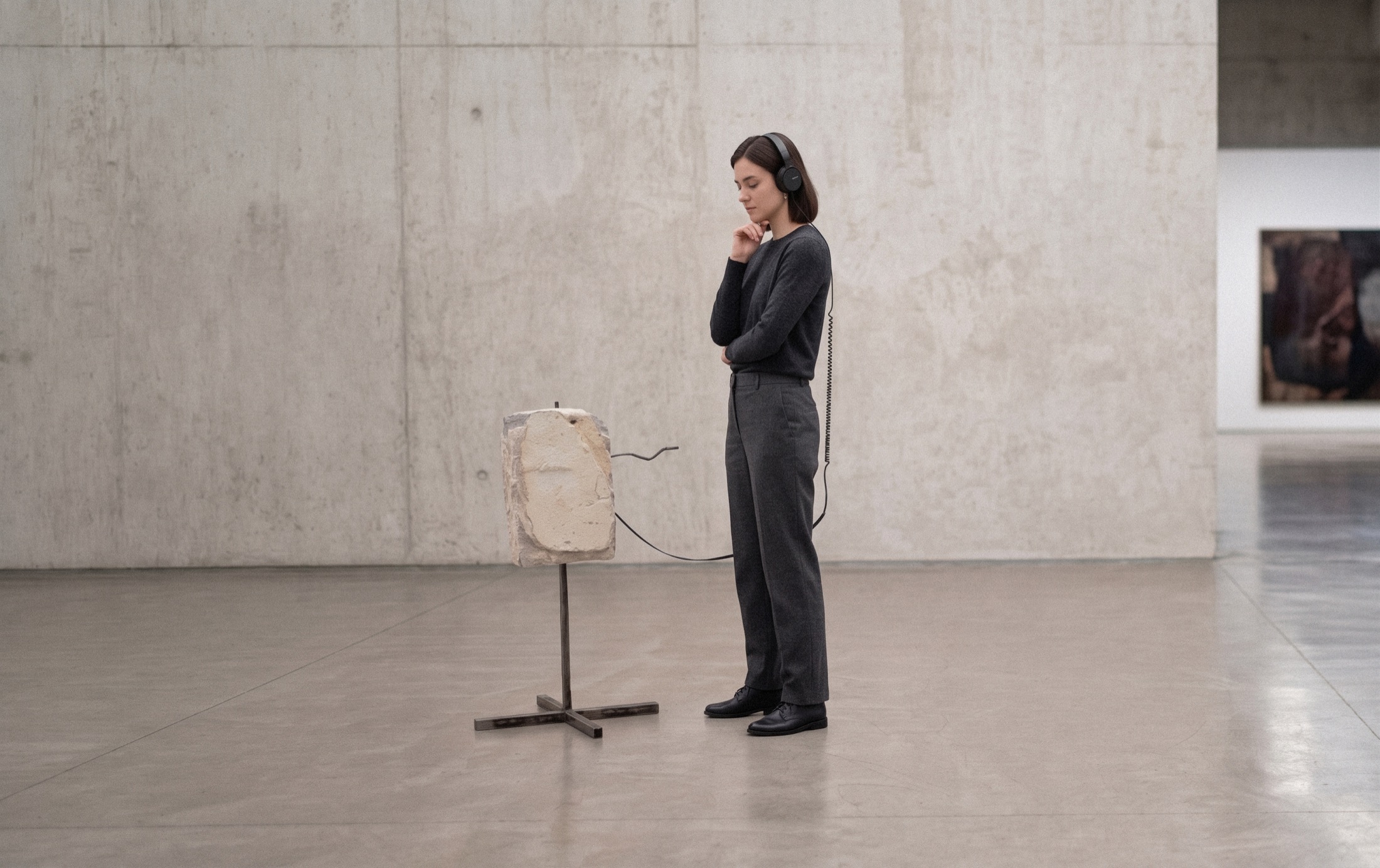
An installation recovers the memories saved in demolished walls, asking what remains when homes, histories, and everyday lives are displaced.
Memory is not residue
Capitalism is here. It is not only an economic system, distant or abstract, but a way of thinking, perceiving, and desiring. It shapes the spaces we inhabit, the contexts we construct, our everyday relationships, and how we assign value. It also lives within our mental models, aspirations, and ideas of progress.
This project begins with the way we have normalised the destruction of our surroundings in the name of modernisation, while losing the ability to see beyond it and becoming increasingly isolated. A conversation with Aysen Denis marked a turning point. Her involvement with Fight 4 Aylesbury, resisting the demolition of her home and the erasure it represented, introduced another possibility: repair rather than demolition, and building without eliminating what already exists. Afterwards, I began to notice these processes everywhere, often very close to me.
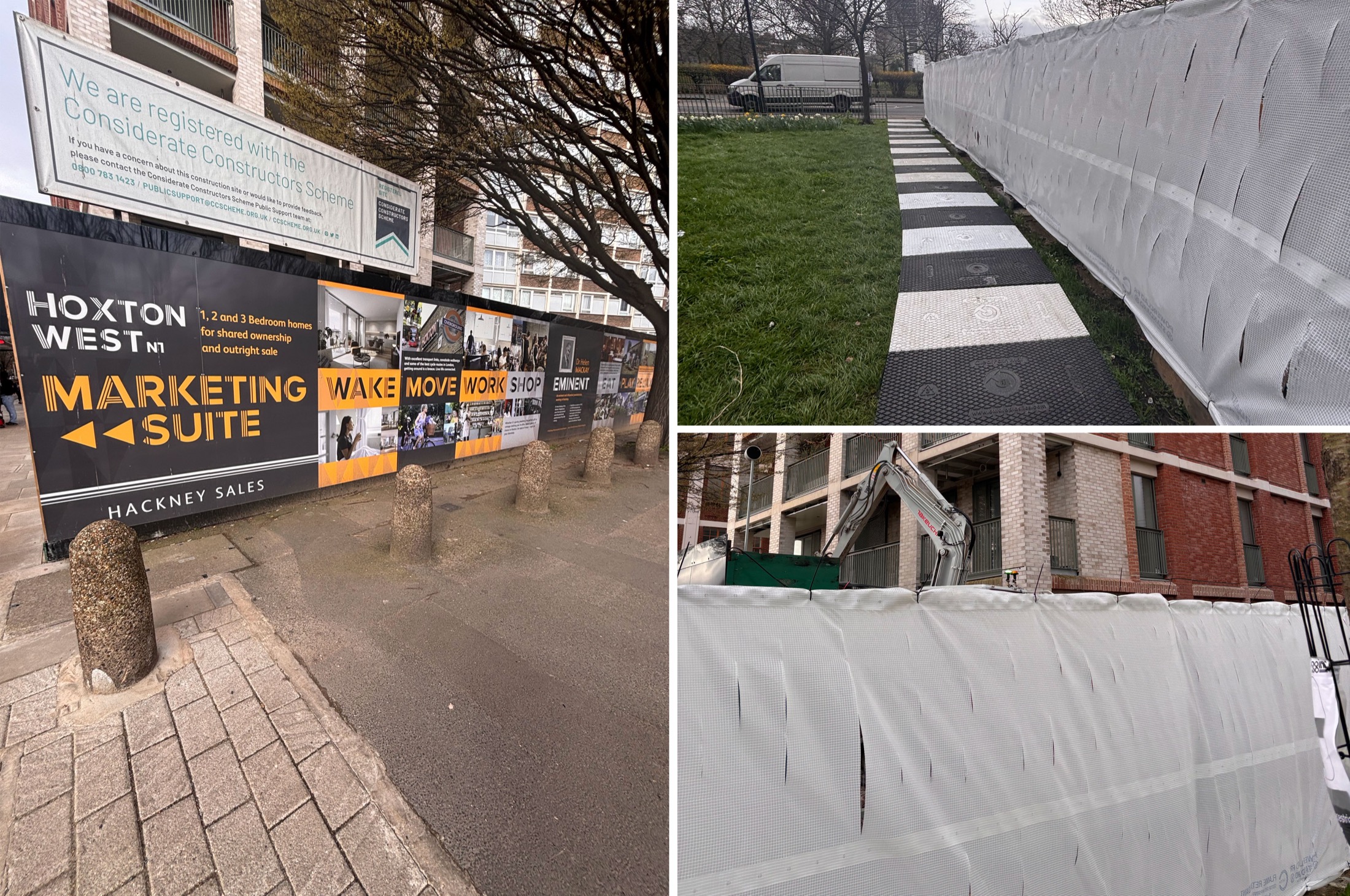
In England, 3,625 social housing dwellings were demolished in 2023-24, a 12 per cent increase from the previous year. The scale matters, but the stories behind those figures matter more. To understand the process, I visited construction and demolition sites in Hackney, walked their boundaries, spoke with people, and observed what was concealed by hoardings, promises, and new developments. These visits made the project possible.2
2 Department for Levelling Up, Housing and Communities (2025), Social housing sales and demolitions 2023-24, England. London: DLUHC. Available online. Accessed 22 March 2026.
The work
Rubble as fragmented memory
Once a space is isolated, demolition follows. Walls break apart and buildings collapse. What remains is classified as waste, yet rubble is not meaningless residue. It contains lives, conversations, silences and relationships.
The project treats each fragment as a material and speculative exercise. Rather than looking only at what has been destroyed, it imagines the many moments these walls held over time: family conversations, dinners, friendships, sadness and joy.
Piece one
Memory Ruins: Family
Metal and concrete, 50 cm × 25 cm × 100 cm.
As one approaches the object, sound intensifies. Proximity becomes a symbolic movement through a lost home, where a family can still be heard living together.
Listen to the audio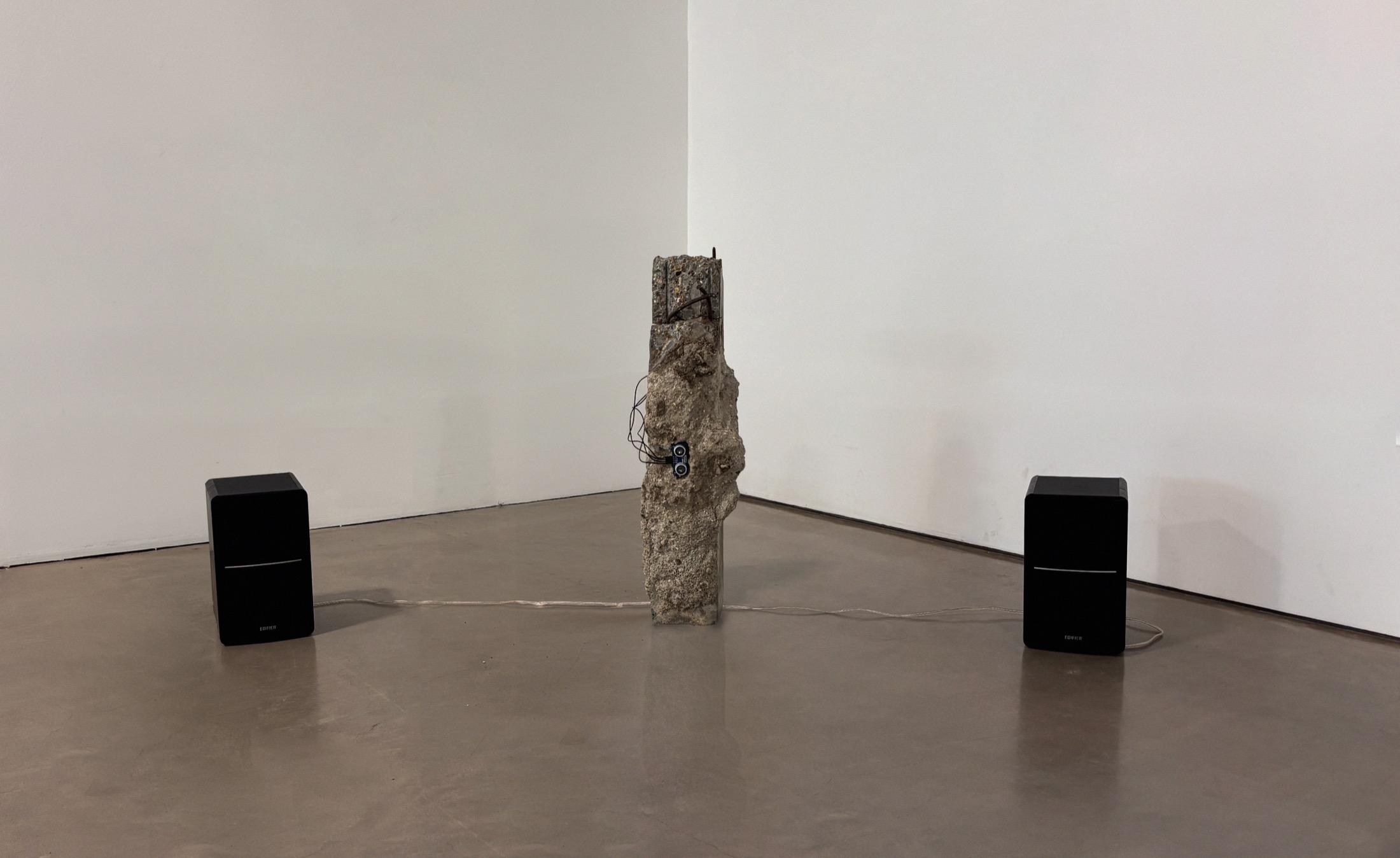
Piece two
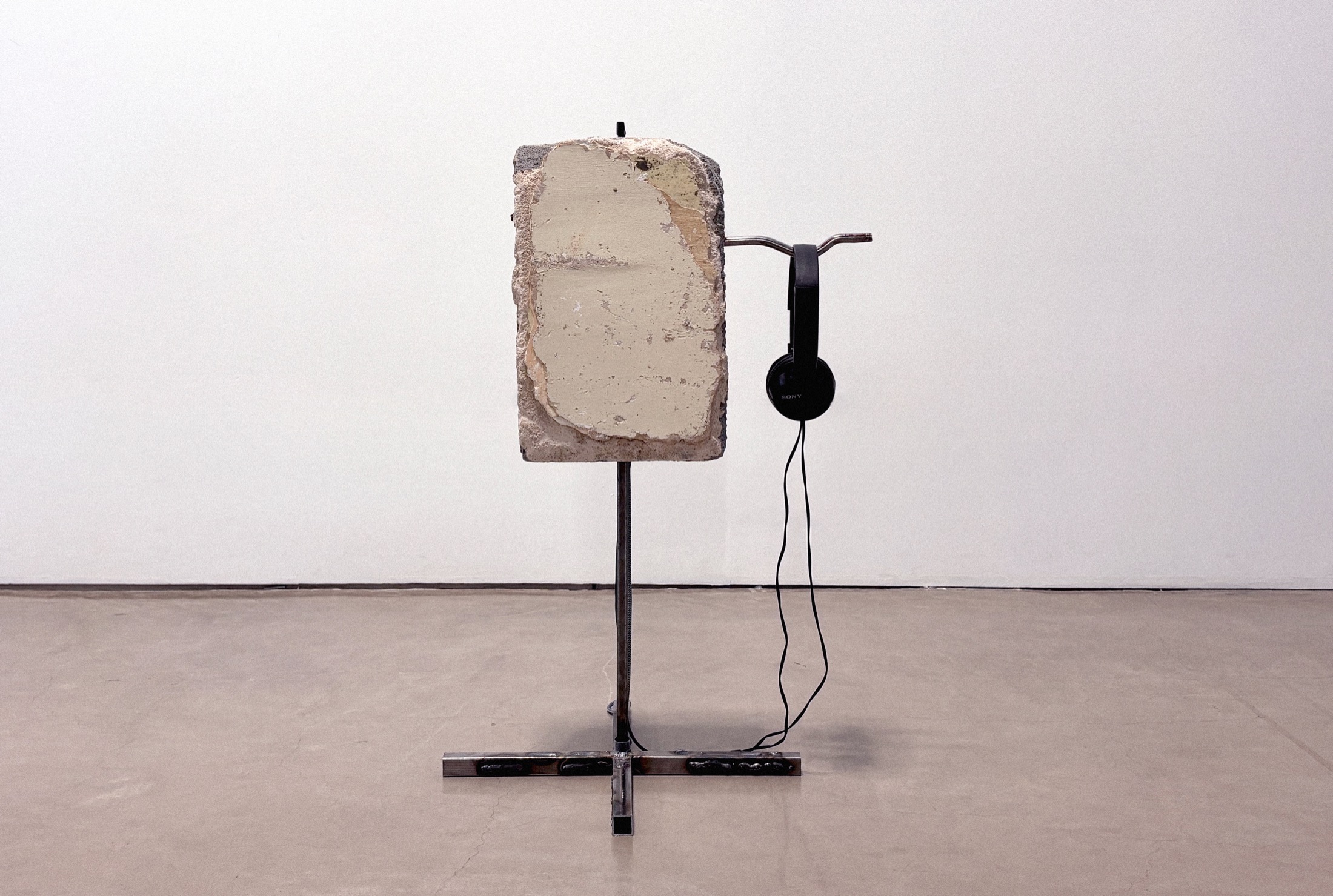
Memory Ruins: Intimate Conversations
Metal and concrete, 100 cm × 40 cm × 50 cm.
This work requires staying rather than passing by. Listening places the viewer within a home that no longer physically exists, for a moment becoming part of its everyday life.
Listen to the audioListening to Memory Ruins: Intimate Conversations
Watch and listen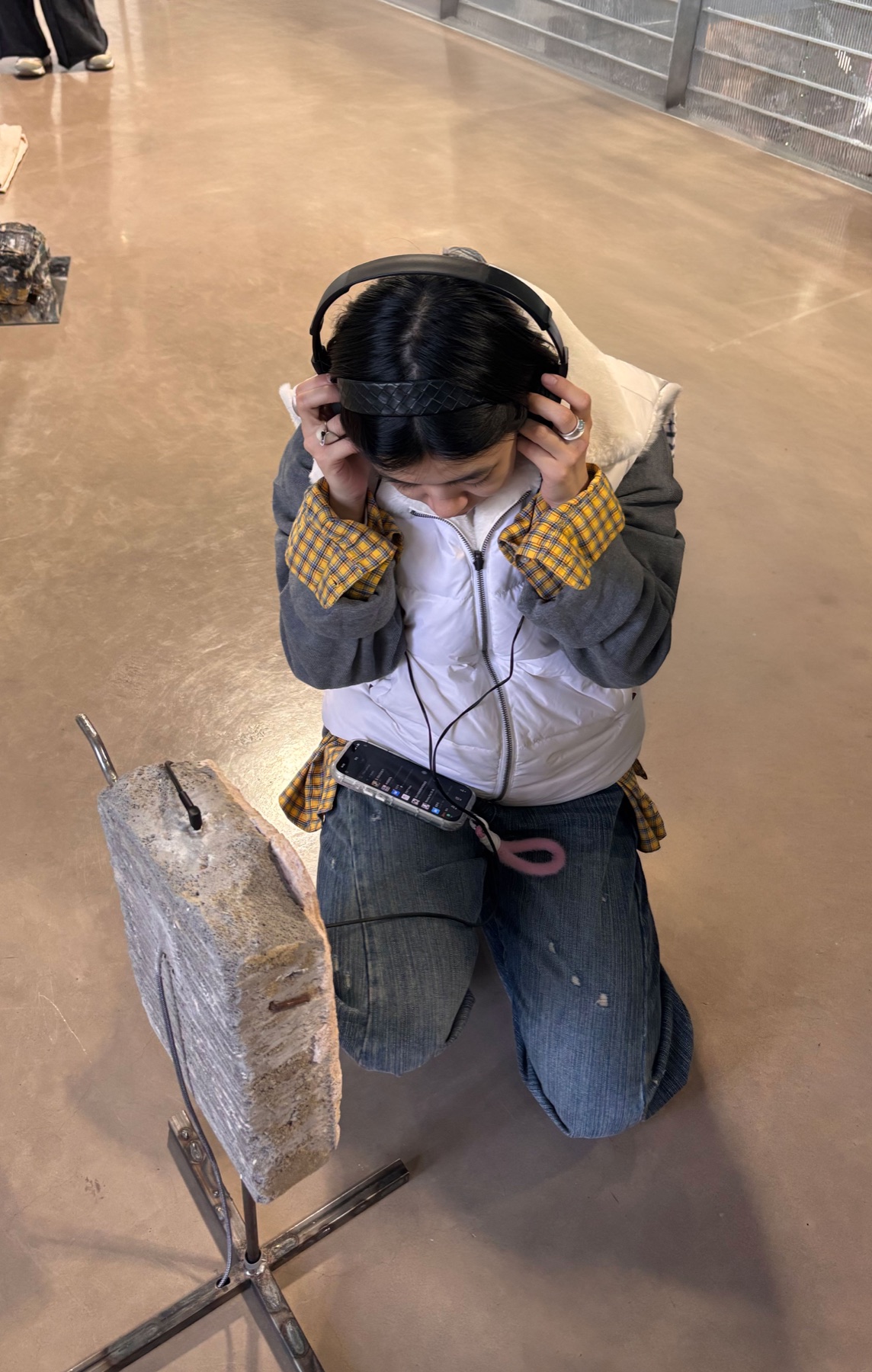
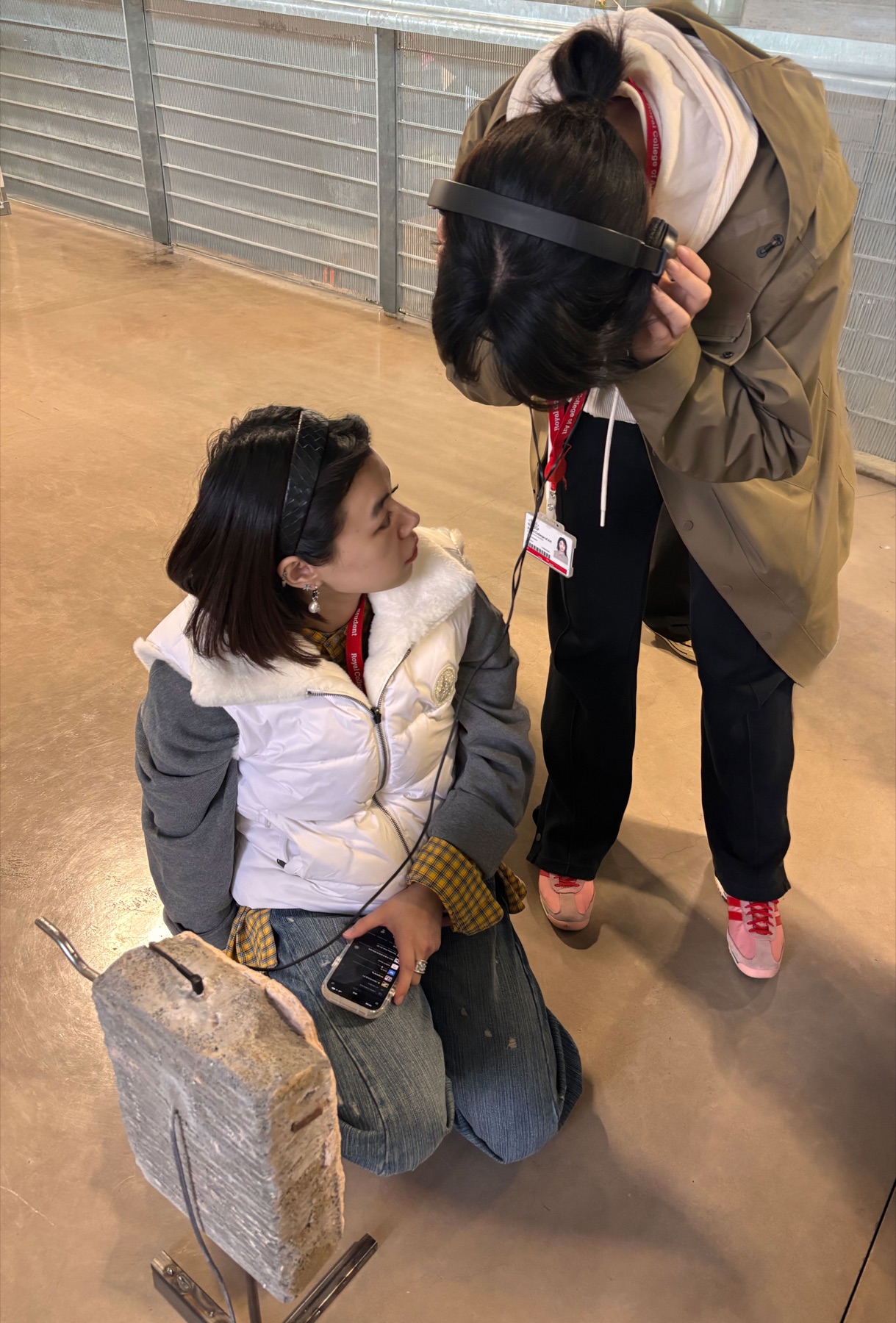
Approaching what remains
Through these fragments, rubble ceases to be useless. The work brings the past into the present, confronting the shadow of capitalism and restoring value to stories that are no longer there. Approaching the remains becomes an act of resistance against the destruction of identities and against forgetting.
Exhibitions
RCA Capital Shadows 2026
Art Practice RCA 2026